
Number 156
Back to Business

An Introduction:
Hello again, dear reader. Sorry for the break last week, but I was both traveling and wanting more people to read my essay on credit. I figured letting it breathe could help. Anyhow, sorry to disappoint those of you who came on board as a result of my credit article thinking that this was a financial publication. It is sometimes, but not often. Today I’ll write about Heinrich Böll, Werner Herzog, and some new paintings I saw. It is a beautiful world we live in. It would be a pity to drift through scoffing at forms of belief. Be blessed.
Things I’ve Consumed:
End of a Mission:
Here is a wonderful little novel by Nobel-laureate Heinrich Böll, whose two books The Train Was on Time and The Lost Honor of Katharina Blum I have also reviewed favorably. Böll’s command of the banal finds great voice in this work which revolves around a trial in a small German village of a father and son—Johann and Georg Gruhl—who conspired to set an army vehicle ablaze in a field while the son, Georg, was on leave from the army. We learn the result of the trial on the first page: The Gruhls must repay the value of the Jeep and are otherwise set free on time served. We learn also that they admitted to everything. With the verdict a foregone conclusion as a result of various local forces, what transpires through End of a Mission is not the narrative of a trial, but, rather, Böll’s deeper fascination with a post-war German state (the book was released in 1968) attempting to come to grips with its place in the new world order. We watch a town stuck in the past find itself suddenly an accessory to the rise of the globalized world, and Böll’s thrust with his novel is to investigate the effects that this coming-about has on the post-war psyche. In just 200 pages, Böll presages a world without small towns and gossipy Frauen, and he seems to discover that in a new age of the globalized fragment there lies no longer relevance for the isolated; there exists, merely, the balkanized composite—the final, grand tension of space organized by the collective wearing the mask of the individual.
The Enigma of Kaspar Hauser:
This is a very strange and somewhat beautiful movie from 1975 which was directed by Werner Herzog. I almost watched it a couple years ago, but I remember having wanted to watch something in English, so when I realized this was in German I turned on Dog Day Afternoon instead (also from 1975, though two incredibly different films). Anyhow, Kaspar Hauser I am told is a true story of a boy who, in the 1800s, was chained up in a tower for the first 17 years of his life without ever having seen the outside and then is abandoned in a village by whoever had chained him. In two years he learns to speak and write and play the piano to some degree, and Herzog demonstrates this all. But what is most interesting about this film is Herzog’s investigation of the burden of living for Kaspar Hauser, who after learning so much in two years declares that it was better when he was chained up in the tower. He decries God because he cannot hold Him in his mind, and he refuses the logical problems of visiting professors. There is something profound in all of this—a true representation of what, for example, Dubuffet was hinting at. Herzog’s film, I suppose, forces one to confront the meaning of our developed ways of living. It wonders, at its crux, whether we do things because we believe them or simply because they make it easier to live outside the tower.
Ali Banisadr’s “Noble/Savage”:
I attended on Thursday the opening of this show of paintings and sculpture at a gallery called Olney Gleason in Chelsea. In conversation at the show and in the show’s press release there is much chatter about Banisadr’s “art historical references” and some whispers of the palimpsest. That’s all well and good, but these paintings did not much hit me over the head. Of his bricolage (another term bandied about), Banisadr notes, “As contemporary artists, we live in a storm of images. The speed, saturation, and manipulation of visual culture today functions as a kind of social control—our senses constantly bombarded, our capacity for quiet perception eroded. As a painter, I feel this pressure daily. My studio becomes both a shelter and a decoding space, a place where I can try to make sense of the onslaught.” The issue with this is Banisadr’s evident incapacity for belief. Of course, if one feels no grander tension than the superficial, all one can do is bring together a “storm of images” in effort to make sense of the world. But it also leads, in my view, to somewhat boring painting. Painting could be more than simple representation of one’s visual world; painting could hold a higher emotion—a grander ideal. Meanwhile, in Banisadr’s world of allusions, winks, and nudges, the only demonstration I find is a fear of looking inward and attempting to make sense of a world which is grander and more beautiful than the balkanized composite foretold by Böll above. To decide to live in allusion is to decide to live in surrender.
Some Songs:
Some Photos:
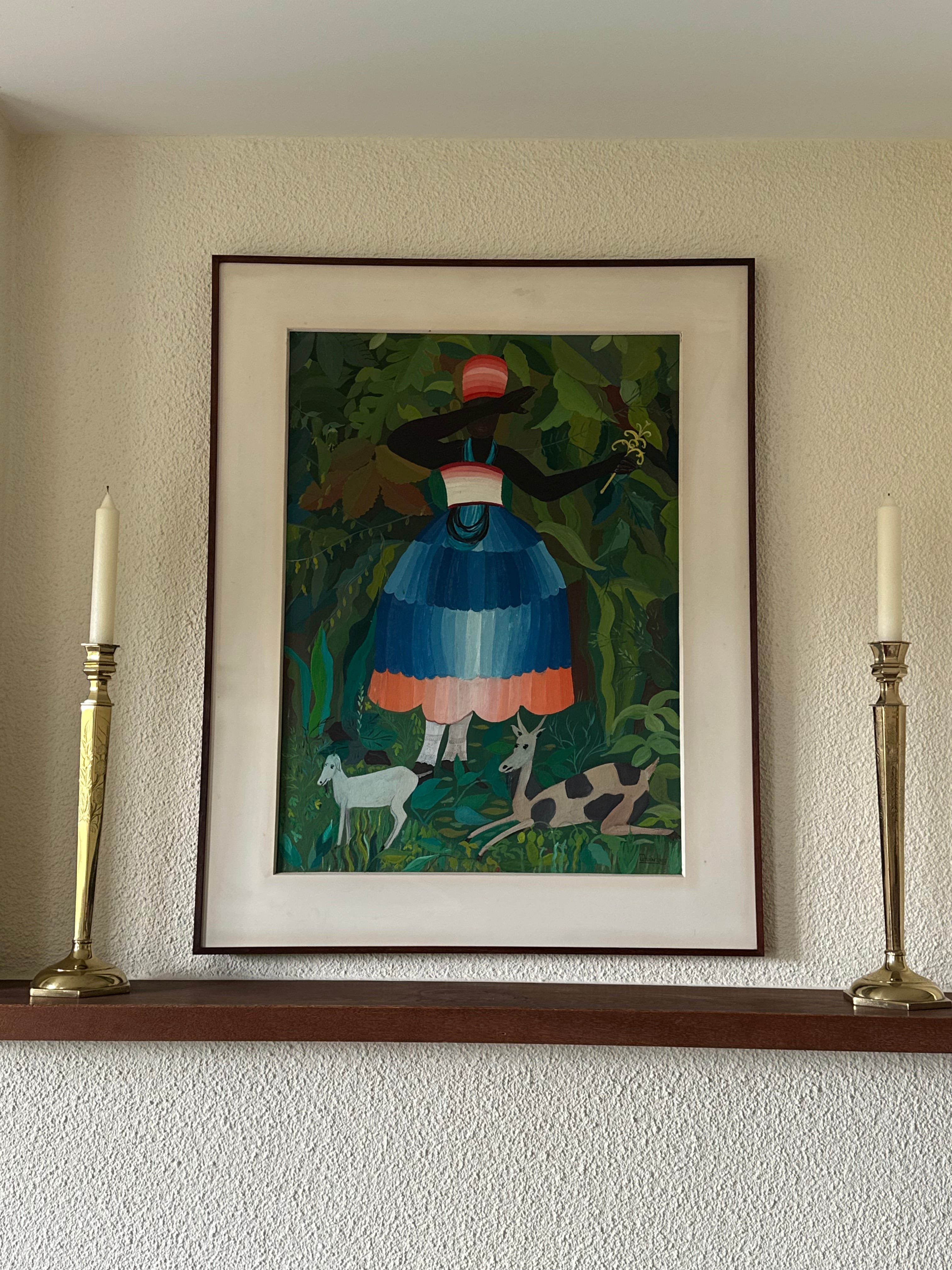
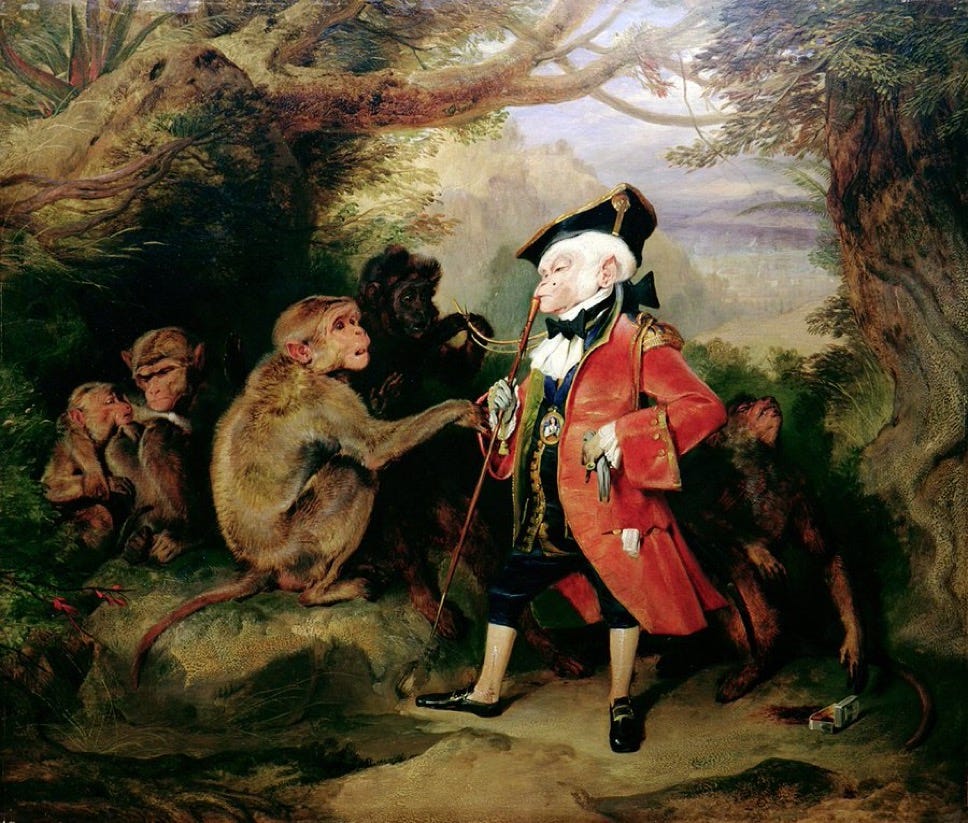
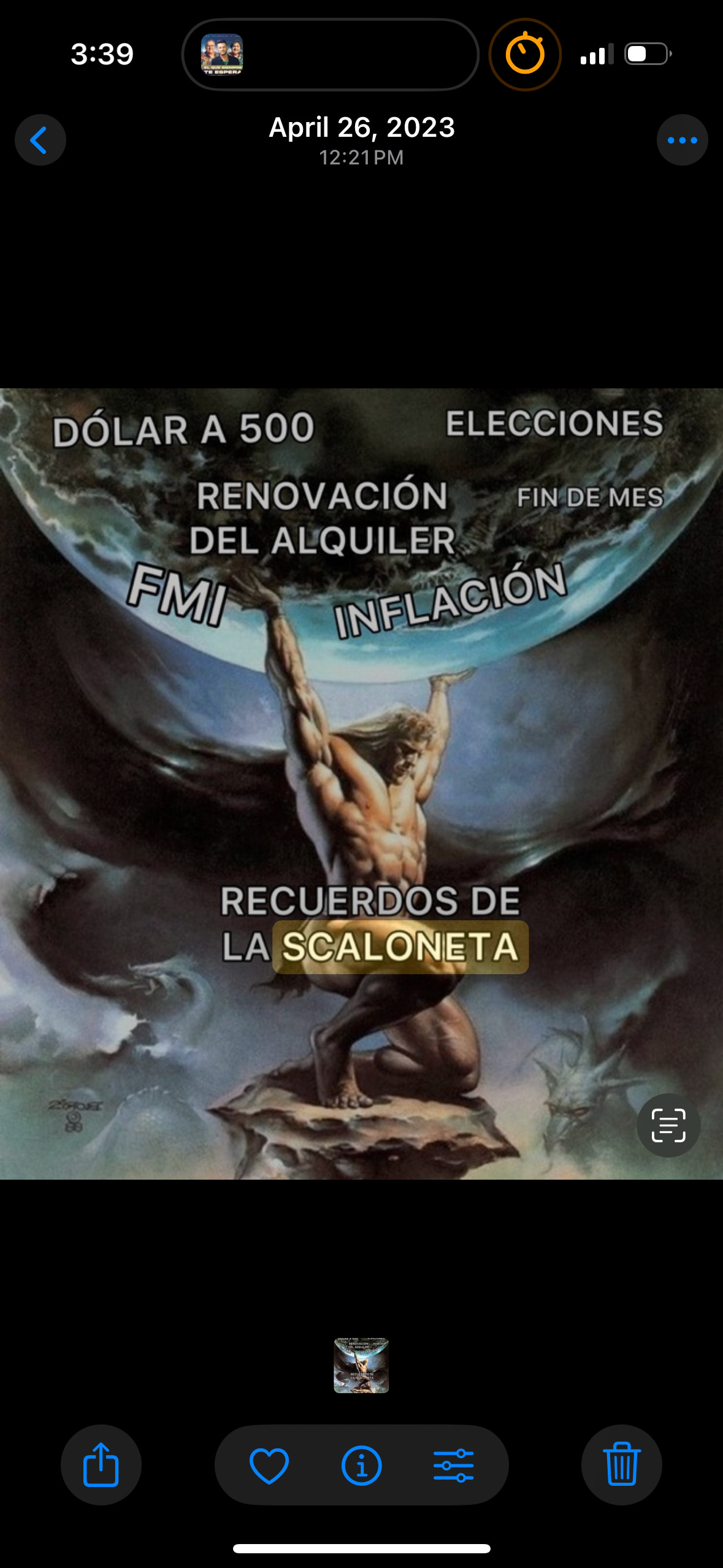
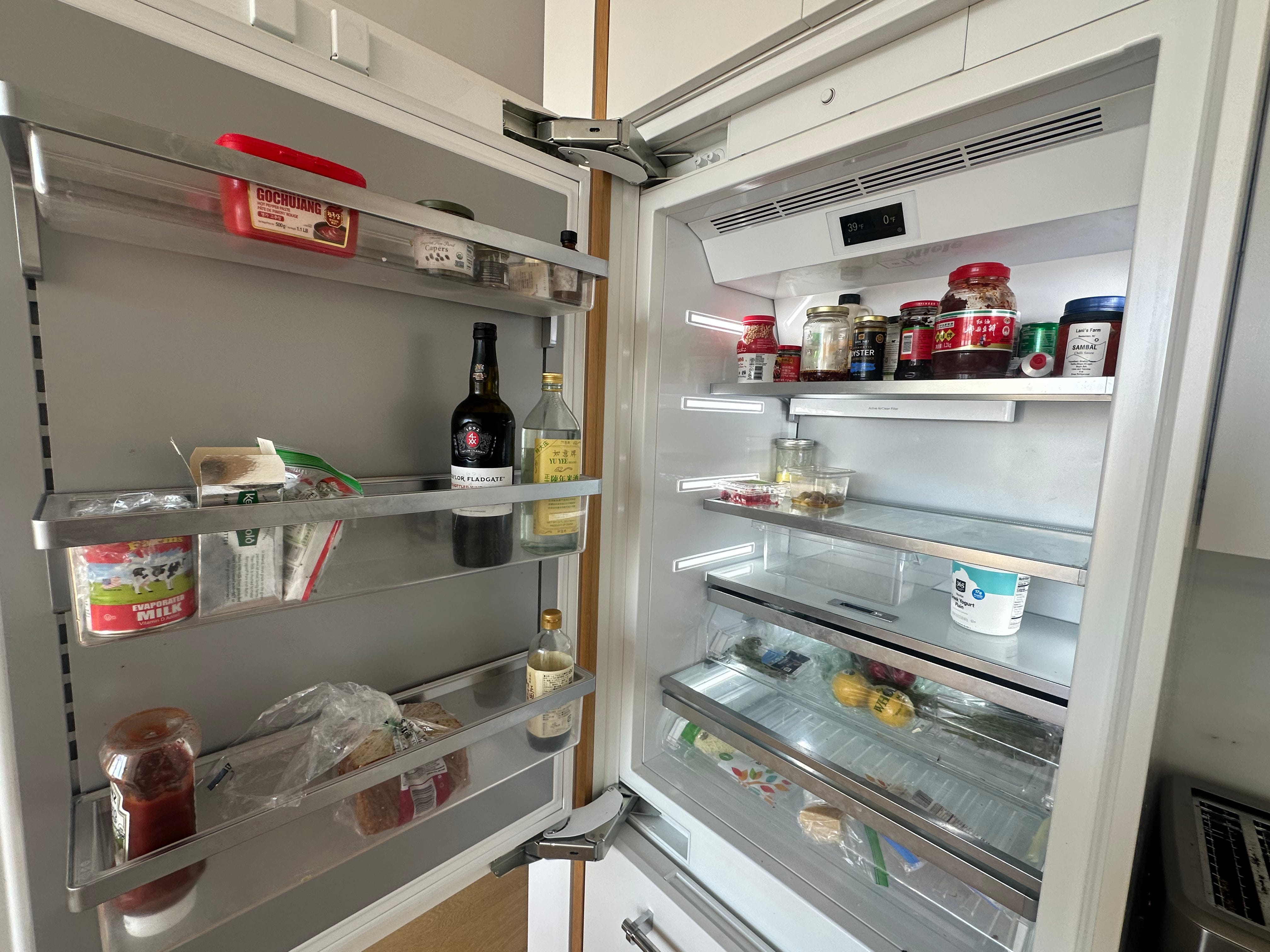
Have you considered a secondary Substack featuring inside (and outside!) photos of your fridge?